

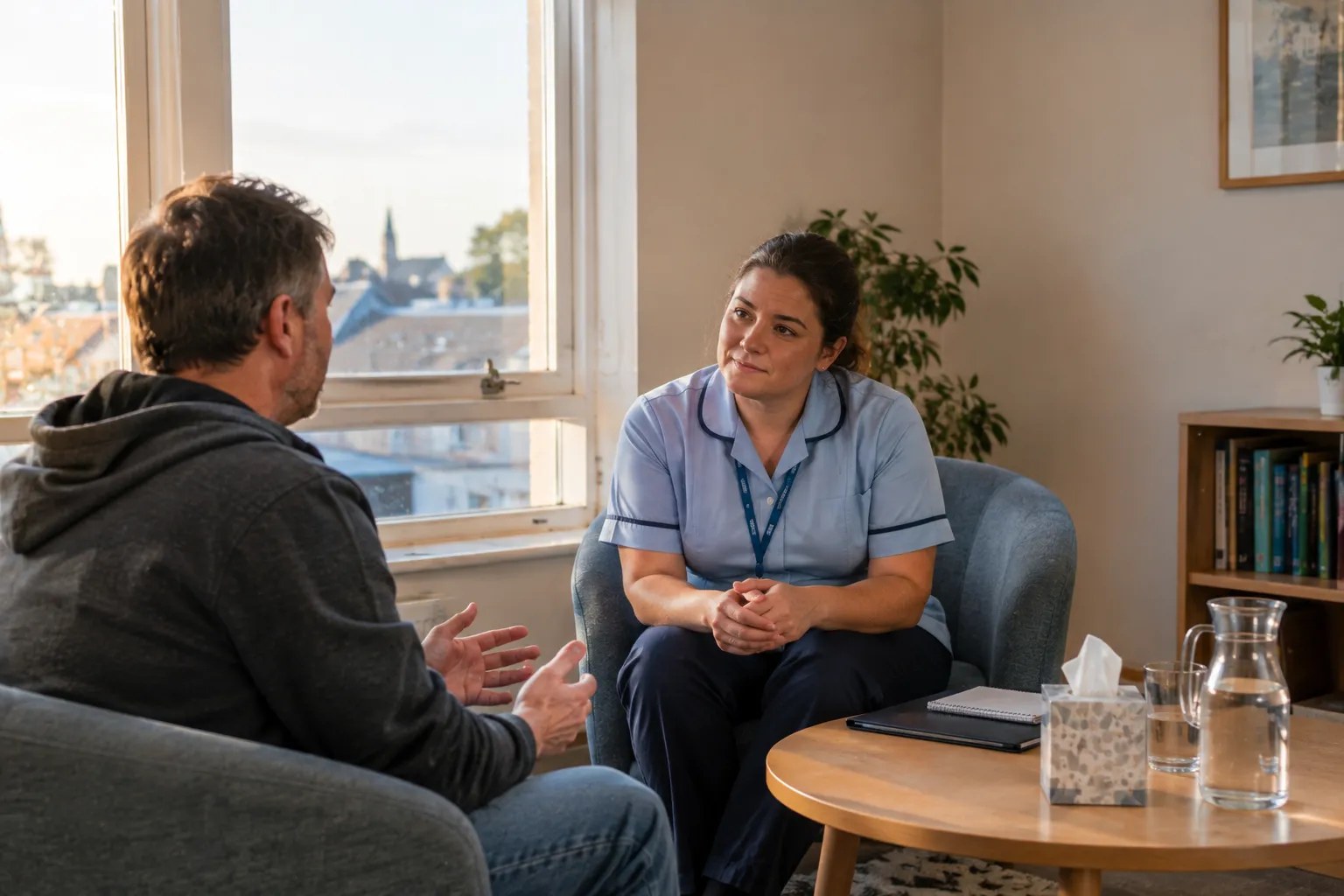
Quick Answer: Mental health nursing is one of the most understaffed fields in the NHS, with over 13,000 mental health nursing vacancies reported by the Royal College of Nursing and a shortfall projected to reach nearly 16,000 full-time posts by 2036/37 under NHS England's own workforce planning. A mental health nursing degree typically takes three years, leads to registration with the Nursing and Midwifery Council, and is open to applicants without A-Levels through an Access to Higher Education Diploma or an integrated foundation year, with an extra £1,000 a year in NHS funding on top of the standard nursing grant.
Most conversations about the UK's nursing shortage focus on hospitals and general wards, but the gap is arguably widest in mental health. Demand keeps rising as awareness grows and more people seek support, while training numbers have not kept pace. That combination makes mental health nursing a genuinely stable, in-demand career path, whether you are coming straight from school, switching from another field, or building on existing care experience. This guide covers the scale of the shortage, what the role actually involves, entry requirements, and how to apply.
How Big Is the Shortage, Really?
Larger than most people assume. According to the Royal College of Nursing, mental health nursing shortages account for around a third of all nursing vacancies in the NHS in England, with more than 13,000 posts left unfilled.
NHS England's own Long Term Workforce Plan projects the mental health nursing shortfall will grow to 15,800 full-time equivalent posts by 2036/37 without intervention, and commits to increasing mental health nursing training places by 38% by 2028/29 to try to close that gap. In practical terms, that means genuinely strong job security for anyone qualifying in this field over the next decade.
What Does a Mental Health Nurse Actually Do?
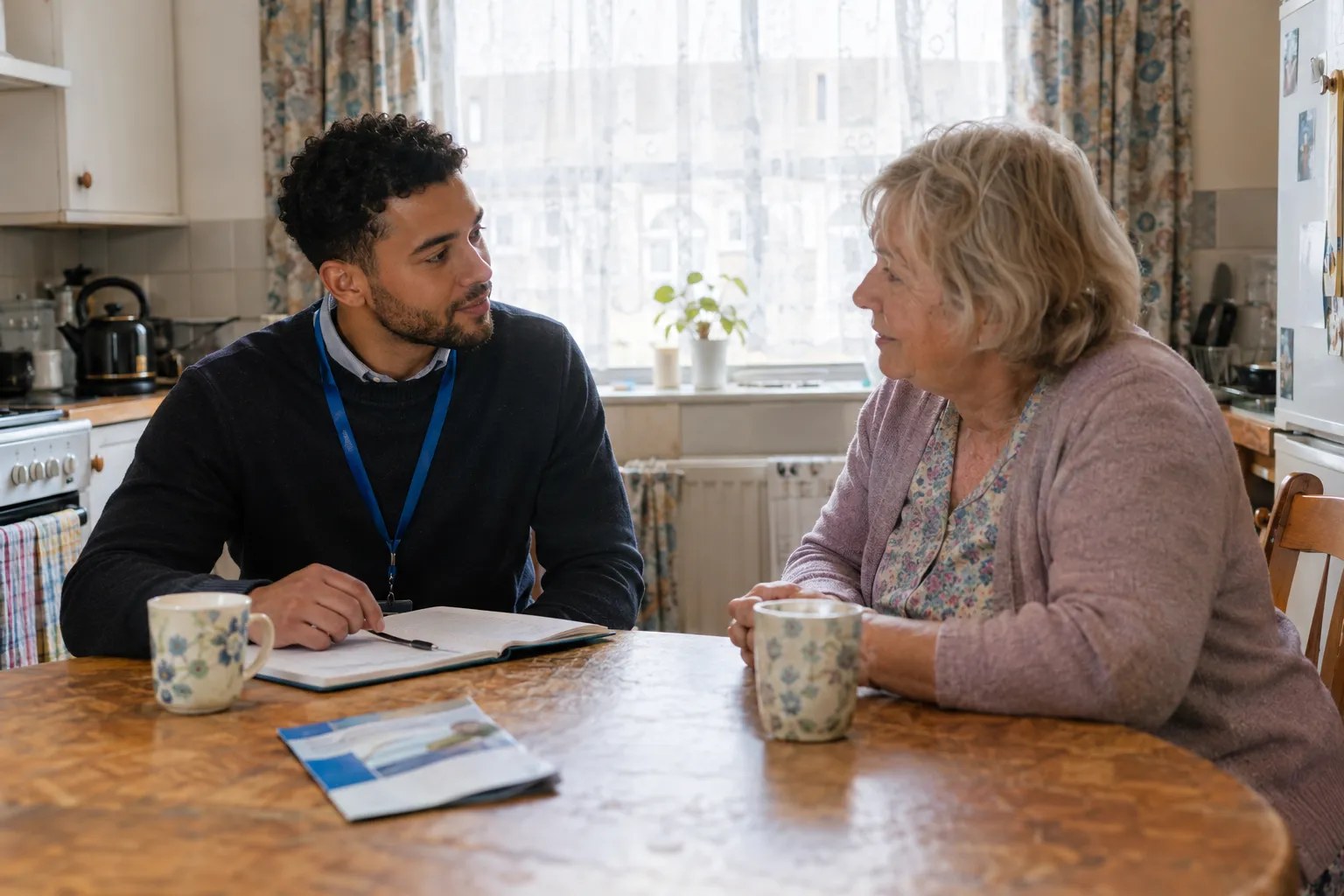
A mental health nurse supports people experiencing conditions such as anxiety, depression, psychosis, personality disorders and severe or enduring mental illness, across settings including hospital wards, community mental health teams, crisis services and specialist units. The work combines clinical care, such as administering medication and monitoring wellbeing, with building therapeutic relationships, running structured activities, and supporting patients through recovery planning.
It is a genuinely varied role. Some mental health nurses work primarily in acute inpatient settings, others in the community supporting people to live independently, and some specialise further in areas like forensic mental health, child and adolescent mental health, or older adult care.
What Qualifications Do You Need for a Mental Health Nursing Degree?

Requirements are broadly similar to other nursing fields, though some universities set specific expectations around communication skills and resilience given the nature of the work.
Requirement | Typical Standard |
GCSEs | English and Maths at grade C or 4, or above |
Alternative to GCSEs | Functional Skills Level 2 in English and Maths |
Level 3 qualification | A-Levels, Access to Higher Education Diploma, or an integrated foundation year |
Background checks | Enhanced DBS check, required before any patient contact |
Health checks | Occupational health clearance before clinical placements |
English language | IELTS 6.5 to 7.0 overall for non-UK educated applicants |
If you do not hold A-Levels, an Access to Higher Education Diploma or a nursing foundation year are the two most widely accepted alternative routes, and both are designed specifically for adult learners entering nursing rather than adapted from an unrelated qualification.
How Is Mental Health Nursing Different From Adult Nursing?
Both are registered nursing fields regulated by the Nursing and Midwifery Council, but they lead to separate registrations and different day to day work. Adult nursing focuses primarily on physical health conditions across hospital and community settings, while mental health nursing focuses specifically on psychological and psychiatric conditions, with a heavier emphasis on communication, de-escalation and therapeutic relationship building.
Some universities offer a dual award covering both fields, which takes longer to complete but qualifies you to register in both areas, useful if you are not yet certain which specialism suits you best.
What Funding Is Available for Mental Health Nursing Students?
Eligible nursing students in England can receive a non-repayable NHS Learning Support Fund training grant of £5,000 a year. Mental health nursing is specifically listed as a shortage specialism, which qualifies students for an additional £1,000 a year on top of the standard grant.
This funding applies once you are enrolled on your nursing degree itself, rather than during a foundation or Access year beforehand, so it is worth planning your finances around that distinction rather than assuming support starts on day one.
What Does a Career in Mental Health Nursing Look Like After Graduation?
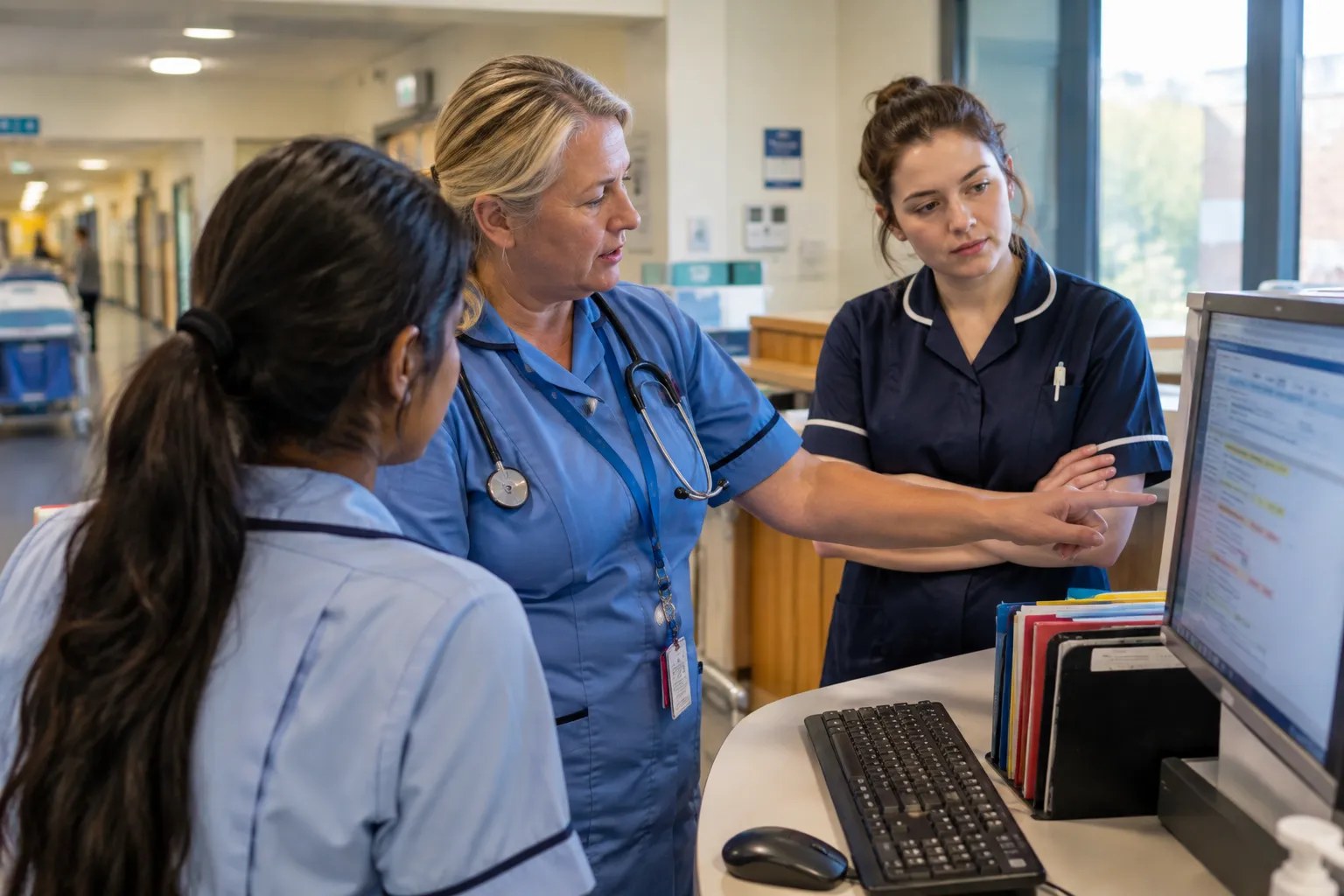
Graduates register with the Nursing and Midwifery Council and typically start in a Band 5 role within the NHS, private healthcare or third sector mental health services. From there, progression routes include specialist roles in areas like crisis intervention or forensic mental health, advanced practice roles, and management positions such as ward or team leadership.
Given the scale of the current shortage, many newly qualified mental health nurses find they have a genuine choice of setting and location rather than having to take whatever role is available, which is not the case in every nursing field right now.
How Do You Apply for a Mental Health Nursing Degree in the UK?

Applying follows a fairly consistent shape whether you are coming from school, an Access course, or a career change.
1. Check your GCSEs in English and Maths, and arrange Functional Skills Level 2 first if either is missing
2. If you need a Level 3 qualification first, choose a nursing foundation course or Access to Higher Education Diploma that your target universities accept
3. Gather references, a personal statement and any prior certificates or relevant care experience
4. Apply through UCAS, and start preparing for an enhanced DBS check and occupational health screening
5. Confirm any placement requirements directly with your chosen university before term starts
A short conversation with an advisor before you choose a provider is genuinely useful here, since not every foundation or Access route is equally well recognised by every university offering mental health nursing. Our Course Finder is a good place to start comparing options.
Frequently Asked Questions
Do I need previous mental health experience to apply?
It is not usually a formal requirement, but paid or voluntary experience in a care or support setting strengthens your personal statement and helps confirm the field is right for you before you commit to a full degree.
Can I switch from adult nursing to mental health nursing later?
Some nurses do complete a shortened second registration in mental health nursing after qualifying in adult nursing, though the exact route and length depend on the university and your existing registration.
Is mental health nursing more stressful than other nursing fields?
It carries its own specific pressures, particularly around crisis situations and safeguarding, which is why universities often look for strong communication skills and resilience alongside academic ability during admissions.
How long does it take to qualify as a mental health nurse without A-Levels?
Most applicants reach registration in around four years: one year on a foundation or Access course, followed by a three year mental health nursing degree. Our nursing foundation course guide covers this route in more detail.
Are mental health nursing jobs available across the whole UK, or mainly in cities?
Vacancies exist across the whole country, though the scale of shortage varies by region, with some analysis suggesting particularly high demand growth in areas like London over the coming years.
Final Thoughts
Mental health nursing sits in a genuinely unusual position right now: rising demand, a well documented national shortage, and a clear, funded training route that does not require A-Levels to get started. For anyone weighing up a caring career with real long term security, it is worth serious consideration.
If this sounds like the right direction, explore our Mental Health Nursing course, or compare it against our wider Nursing Foundation Course and Health and Social Care routes using our Course Finder. When you are ready to take the next step, get in touch with our team or head straight to Apply Now.